
Let’s be honest.
For many families, tax season isn’t just about numbers. It’s about trust. And sometimes the biggest question is the one people don’t say out loud:
“Is my information really safe?”
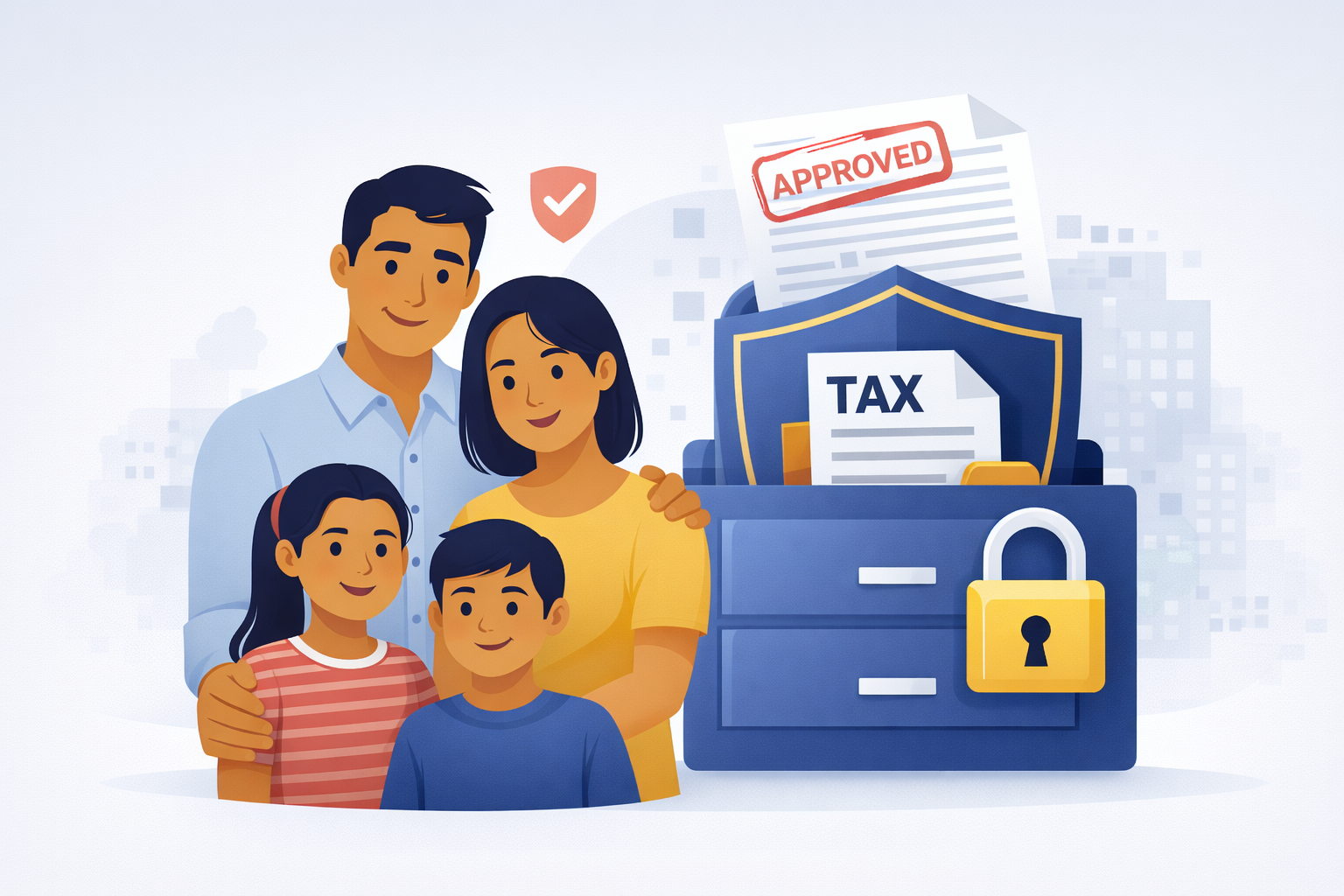
Your Tax Information Is Protected by Law
Tax return information in the United States is protected under Internal Revenue Code §6103 (26 U.S.C. §6103).
That law states that tax returns and “return information” are confidential and cannot be disclosed unless a specific statutory exception applies. The default rule is privacy — not sharing.
This has been part of federal law for decades.
It’s not policy.
It’s not guidance.
It’s statute.
And there are consequences for violating it.
Under 26 U.S.C. §7213, unauthorized disclosure of tax return information is a federal crime. Additionally, under 26 U.S.C. §7431, taxpayers can bring civil action if their return information is improperly disclosed.
In other words:
There are criminal penalties.
There are civil damages.
And there is legal accountability.
“But I Saw Something in the News…”
You probably did.
There were public discussions in recent years about potential data-sharing arrangements between the Internal Revenue Service and immigration authorities, including the Immigration and Customs Enforcement.
That agreement led to lawsuits.
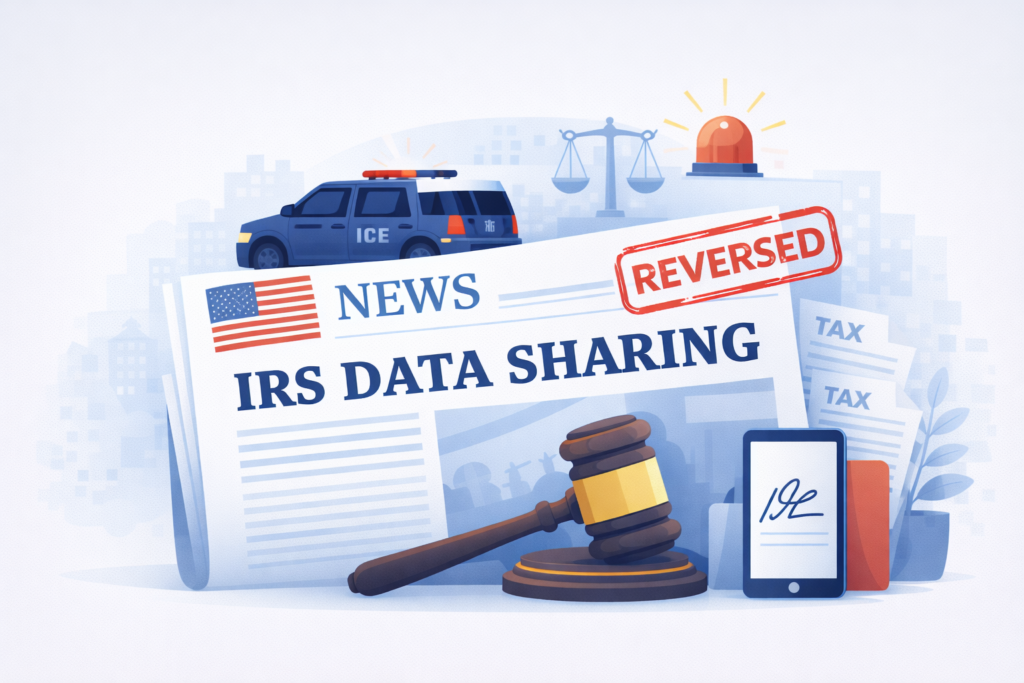
In November 2025, a federal judge in Washington, D.C. issued a preliminary injunction limiting the IRS from sharing certain taxpayer address information.
In early 2026, additional court filings reported that some data had been improperly shared and corrective actions were ordered.
Why does that matter?
Because it shows two things:
- The confidentiality law is real.
- Courts enforce it when agencies step outside the boundaries.
There is oversight. There are legal checks. And the confidentiality framework still stands.
Filing Taxes Does NOT Automatically Expose You
Millions of people file using ITINs every year.
According to reporting from the Taxpayer Advocate Service, nearly 3.8 million tax returns in Tax Year 2022 included at least one ITIN.
That’s not a small number. That’s a normal part of the federal tax system.
The IRS itself clearly states that an ITIN:
- Does not grant benefits outside the tax system.
- Is for federal tax purposes only.
- Does not change immigration status.
- Does not provide work authorization.
It exists so people can comply with tax law.
Compliance is not exposure. It’s documentation.
How WE Handle Your Information
Even if federal law protects your return at the government level, you still want to know:
“What happens to my documents before they ever reach the IRS?”
That’s where we come in.
We offer secure online consultations and remote preparation for clients who prefer privacy and discretion.
Here’s what that means in practical terms:
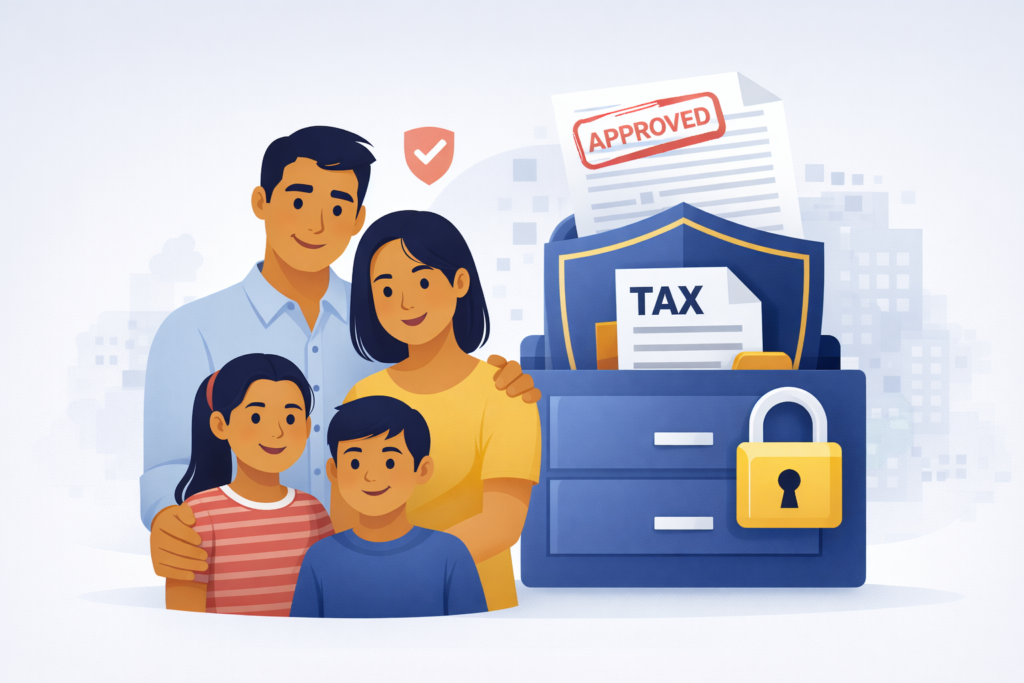
- Secure document upload portals (not random email attachments)
- Controlled access — only assigned staff see your file
- Encrypted systems
- Multi-factor authentication
- Digital signatures
- Secure e-file submission
The IRS actually publishes security guidance for tax professionals (Publication 4557 and related security checklists) outlining encryption, access controls, backups, and written security plans. Those are not suggestions — they are expected standards.
We follow structured data-handling practices because your information deserves that level of protection.
If You’re Feeling Quietly Nervous — That’s Normal
There’s a lot of noise in the world right now.
Headlines move fast.
Social media moves faster.
And fear spreads even faster than both.
But tax law is not built on headlines.
It is built on statute.
It is built on court review.
It is built on written confidentiality protections.
And those protections are still in place.
You Have Options
If you want to:
- Meet in person — we’re here.
- Handle everything online — we can do that.
- Ask questions privately before sending anything — absolutely.
You don’t have to announce your concerns.
You don’t have to explain why you prefer discretion.
You don’t have to feel embarrassed for wanting privacy.
That’s normal.
And here, that’s respected.
Ready When You Are
If you’ve been waiting to file because you needed clarity first, that’s completely understandable.
Now you have it.
Your tax information is protected under federal law.
There are safeguards in place.
There is oversight.
And there is a secure way to file.
Whether you prefer to meet in person or handle everything online, we make the process simple, private, and professional.
You can:
- Schedule a secure online consultation
- Upload documents through our protected portal
- Ask questions before committing to anything
- Move forward at your own pace
No pressure.
No judgment.
Just clear answers and careful preparation.
When you’re ready to file with confidence, we’re here.
Book your consultation today and let’s take care of it — safely and correctly.