
Updated December 27, 2025
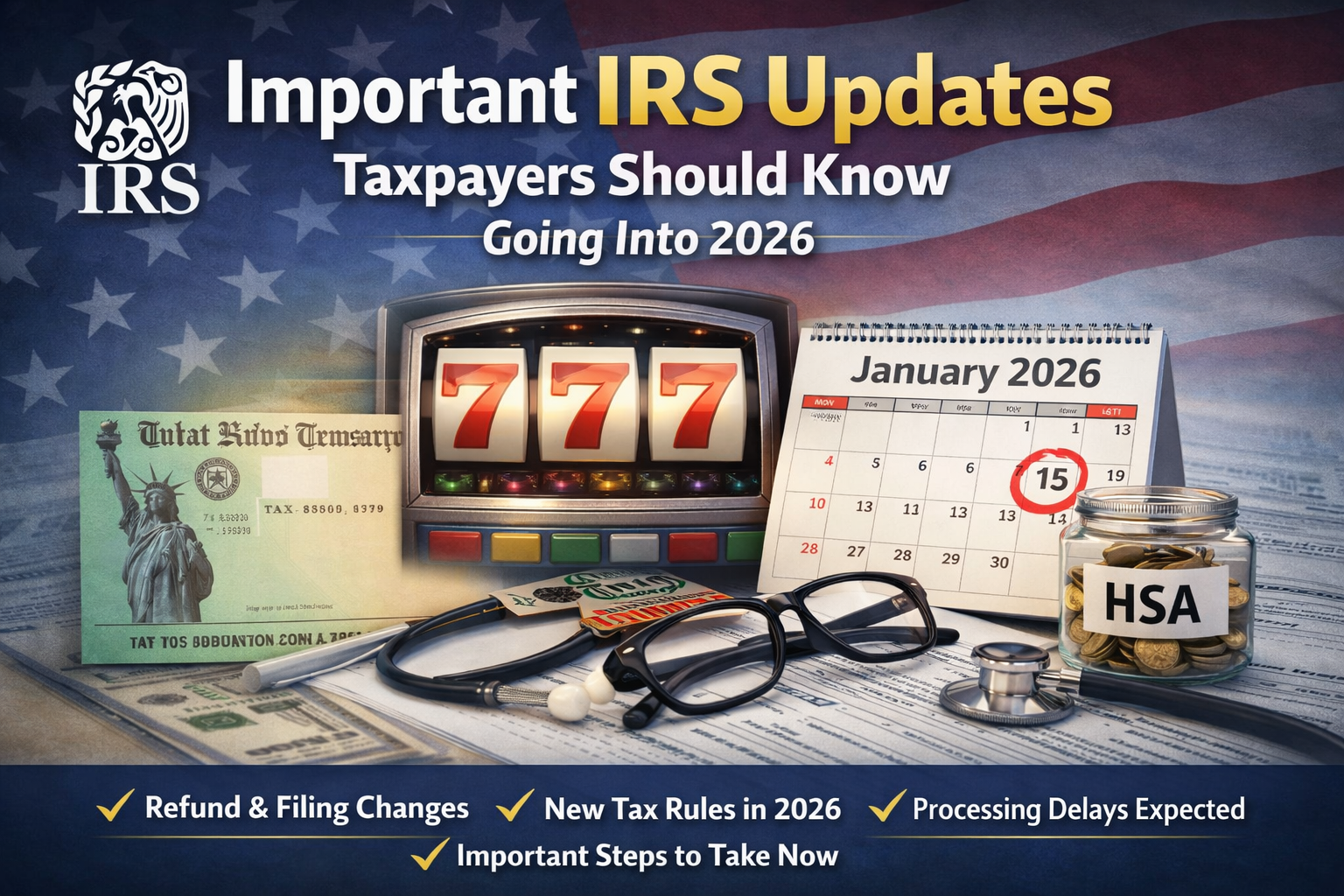
As we close out 2025 and prepare for the 2026 tax filing season, the Internal Revenue Service has announced and implemented several changes that taxpayers should be aware of. While not all updates affect everyone, some may impact how you receive refunds, how you file, and how long processing may take.
Below is a clear summary of the most important IRS developments to know right now, and what you should do next.
- IRS Continues Moving Away From Paper Refund Checks
The IRS is continuing its long-term transition away from paper refund checks and encouraging taxpayers to use direct deposit.
What this means for you:
Direct deposit remains the fastest and safest way to receive a refund.
Paper checks may take longer and are more likely to be delayed or lost.
Having correct bank information on file is more important than ever.
What to do now:
Make sure your bank account and routing numbers are accurate before filing your return.
- Expect Ongoing IRS Processing Delays
Although IRS service has improved compared to previous years, delays are still expected, especially for paper-filed returns, returns with errors or missing information, and identity verification or review cases.
Staffing changes and system modernization efforts mean some returns may take longer than expected.
What to do now:
File early, file electronically, and double-check all information before submitting.
- Increased IRS Focus on Accuracy
The IRS continues to rely more heavily on automated notices and matching systems, especially for income reported on W-2s and 1099s, credits claimed incorrectly, and missing forms or mismatched data.
This does not necessarily mean more audits, but it does mean more notices when numbers do not match.
What to do now:
Keep copies of all tax documents and avoid estimating income or credits.
- Some Tax Law Changes Begin in 2026
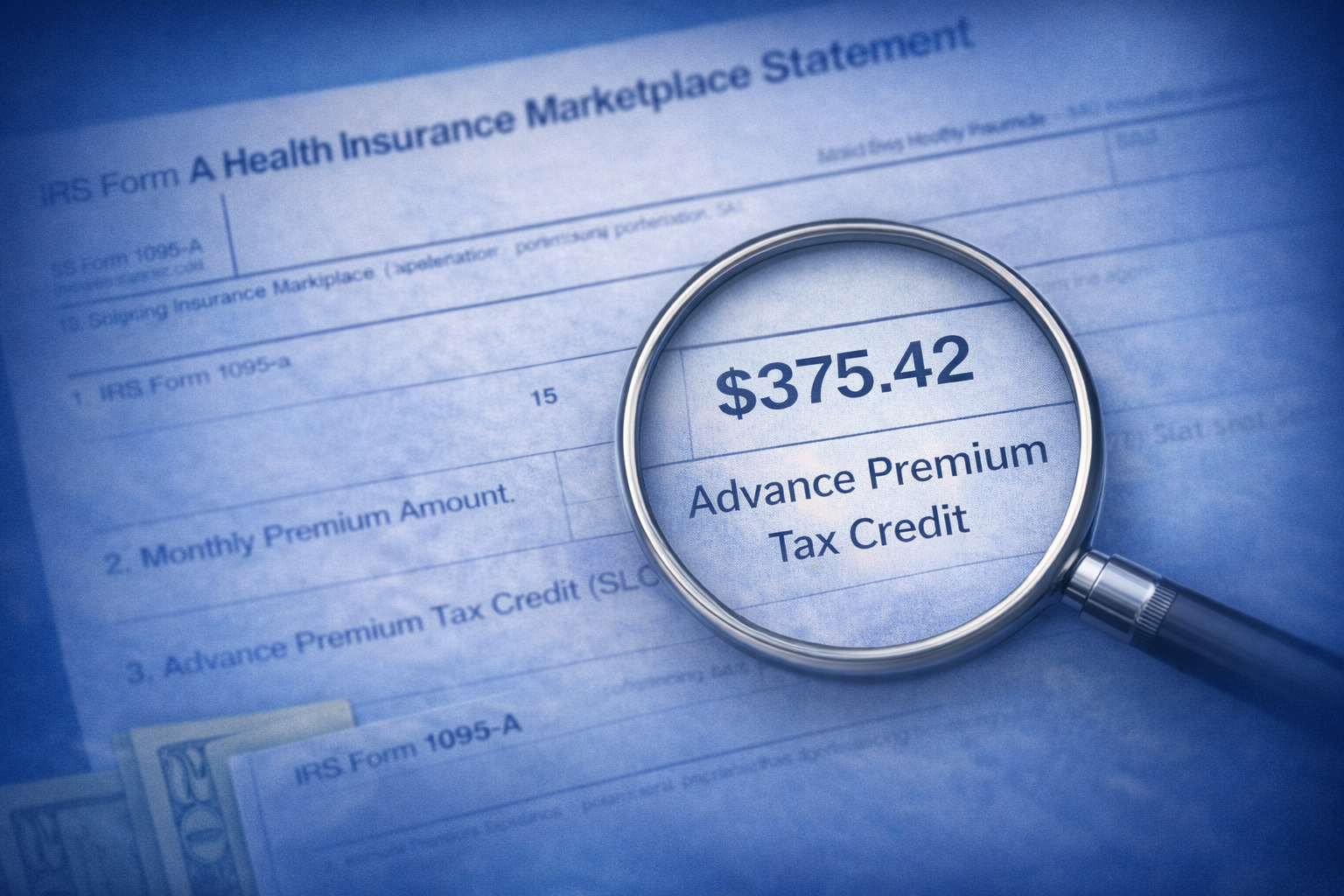
Several tax-related changes passed by Congress in recent years will begin applying in 2026. While guidance is still being released, these may affect certain healthcare-related tax benefits, retirement and savings options, and reporting requirements.
Not every taxpayer will be affected, but it is important to review how new rules apply to your situation.
What to do now:
If your income, family size, or benefits have changed, review your tax strategy before filing.
- Filing Early in 2026 Is Strongly Recommended
The IRS continues to encourage early filing to reduce refund delays, avoid identity theft issues, and resolve problems sooner rather than later.
Early filers are often the first to receive refunds and the first to resolve any issues.
Final Thoughts
Not every IRS update makes headlines, but small changes can still have a big impact on your refund, timing, and peace of mind. Staying informed and filing correctly is the best way to avoid problems.
If you are unsure how these updates affect your personal or business tax situation, working with a qualified tax professional can help you prepare confidently for the 2026 filing season.
Coming Next
What You Should Do Now to Avoid IRS Refund Delays in 2026
Direct Deposit vs Paper Checks: Why It Matters More Than Ever
Common IRS Notices and How to Respond
Mario Areas
Tax Preparer | Accountant
Current Student, University of Maryland
Owner, Molimar Tax Consulting Service Inc.
7411 Riggs Rd
Hyattsville, MD 20783

Leave a Reply
You must be logged in to post a comment.