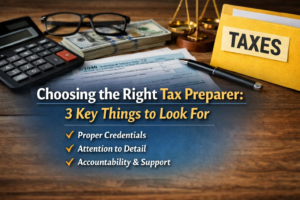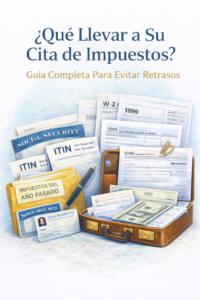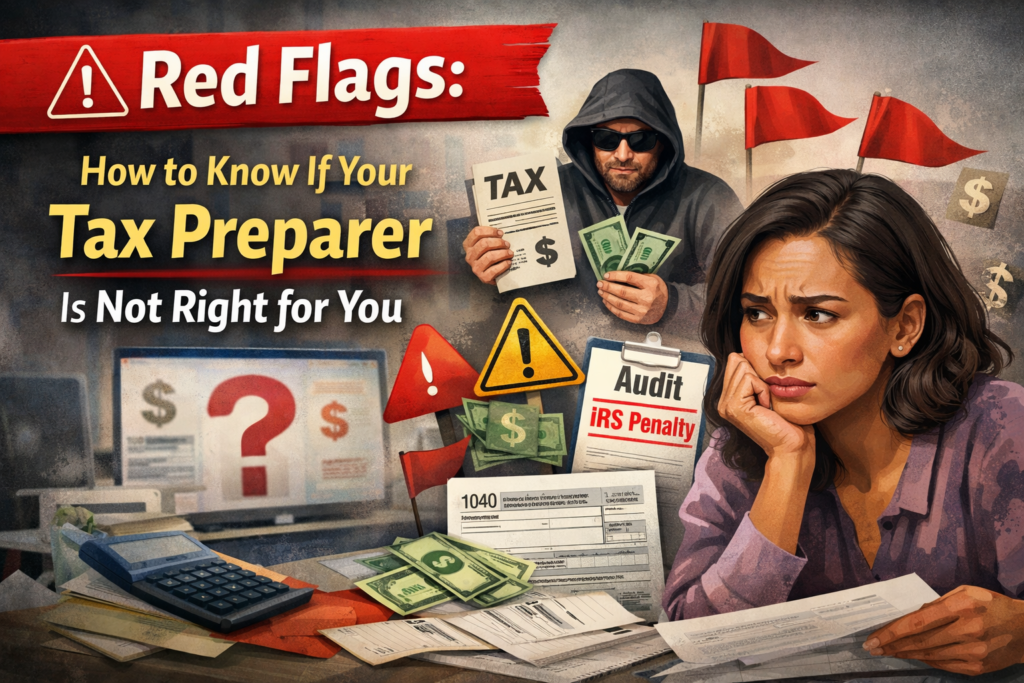
Many taxpayers rely on professional tax preparers to help them navigate an increasingly complex tax system. In fact, millions of returns are filed each year by paid preparers. However, not all preparers operate ethically, transparently, or with the level of competence required to protect taxpayers. Choosing the wrong preparer can lead to filing errors, delayed refunds, IRS notices, audits, penalties, and long-term financial consequences. Understanding the warning signs of an unqualified or unethical tax preparer can help you protect your finances, your personal information, and your peace of mind.
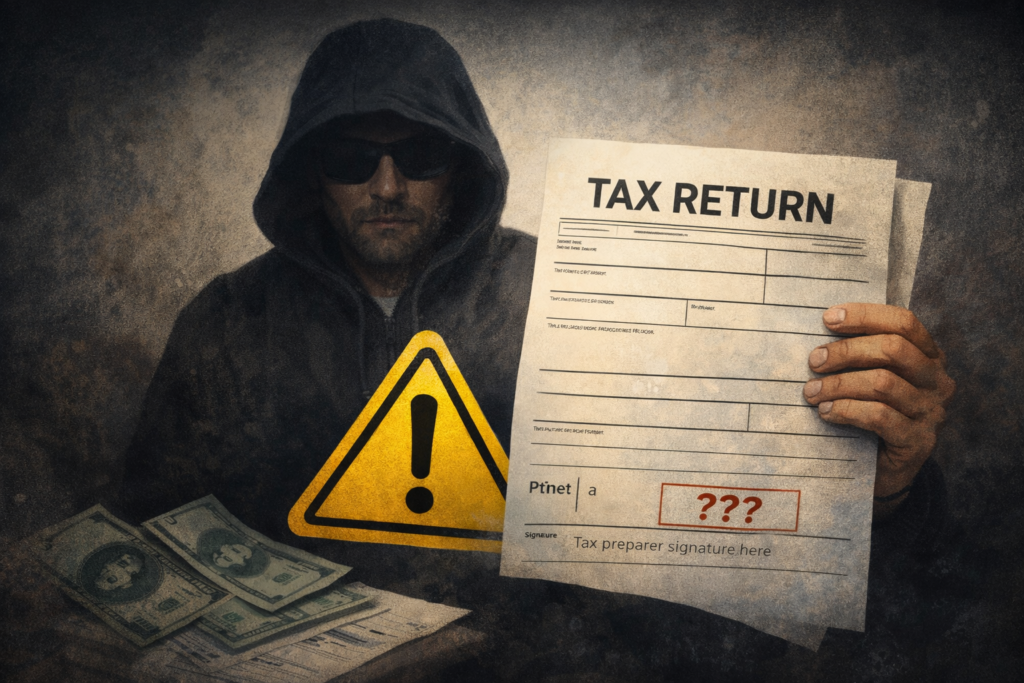
The Ghost Preparer
One of the most serious red flags when choosing a tax preparer is dealing with what the IRS calls a “ghost preparer.” A ghost preparer is someone who prepares your tax return but refuses to sign it, does not include a Preparer Tax Identification Number (PTIN), or instructs you to sign and file the return yourself. According to the IRS, paid preparers are legally required to sign the returns they prepare and include their PTIN, which allows the IRS to track accountability and enforce compliance standards.
The IRS has repeatedly warned that ghost preparers are a major source of tax fraud and filing errors. In recent enforcement campaigns, the IRS identified thousands of returns linked to ghost preparers that contained false credits, inflated refunds, or fabricated information. These preparers often disappear once the return is filed, leaving taxpayers fully responsible for any errors, penalties, interest, or audits that follow.
Ghost preparers frequently target vulnerable taxpayers, including immigrants, ITIN holders, seniors, and low-income families, by promising fast refunds or charging low upfront fees. Because their names are not on the return, they avoid scrutiny while taxpayers bear all legal responsibility. The IRS has made it clear that even if a taxpayer did not knowingly participate in wrongdoing, they can still be required to repay refunds and face penalties.
A legitimate tax preparer will always sign your return, provide their PTIN, give you a complete copy of your filed return, and explain what is being submitted on your behalf. If a preparer refuses to do any of these things, it is a strong signal to walk away before costly problems arise.
Promises of Big Refunds Without Review
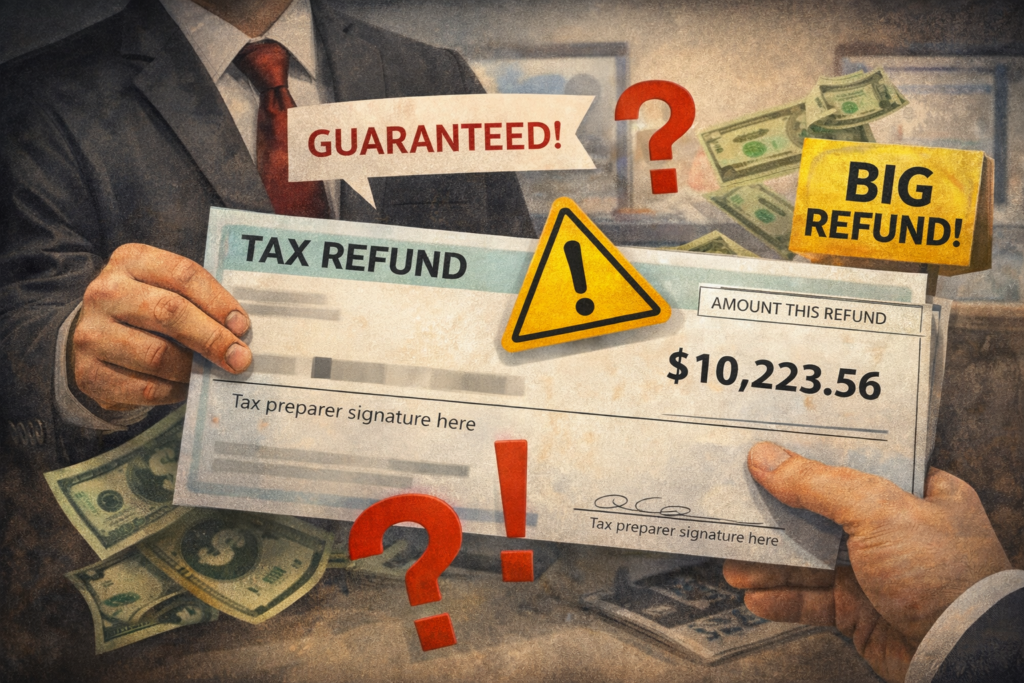
Be cautious of any preparer who guarantees a large refund before reviewing your documents in detail. According to the IRS, refund promises are one of the most common warning signs of tax return fraud. The IRS estimates that billions of dollars are lost each year to improper claims and erroneous credits, many of which originate from inflated refunds prepared by unscrupulous or careless preparers. These inflated refunds are often created by falsely claiming dependents, fabricating income to qualify for credits, or exaggerating deductions. While the preparer may collect their fee and disappear, the taxpayer remains legally responsible. This can result in audits, delayed refunds, penalties, interest, and repayment demands years later, even if the taxpayer was unaware of the wrongdoing.
Fees Based on Your Refund Amount
A professional tax preparer should never charge fees based on the size of your refund. This practice creates a financial incentive to inflate credits, exaggerate deductions, or manipulate income in order to increase the refund amount. The IRS has identified refund-based fees as a common indicator of unethical or fraudulent tax preparation. When a preparer’s pay depends on the size of your refund, accuracy and compliance often take a back seat. While the preparer may collect a higher fee upfront, the taxpayer remains legally responsible for any errors, audits, penalties, or repayment of improperly claimed refunds that result from these practices.
High Error Rates and Costly Mistakes
Even when fraud is not involved, poor-quality tax preparation can lead to serious and costly mistakes. Studies and government oversight reports have shown that tax returns prepared by paid preparers often contain significant errors, particularly on returns involving credits, dependents, or self-employment income. According to federal reviews, mistakes on professionally prepared returns can result in incorrect refunds, delayed processing, IRS notices, and audits. Small errors can compound over time, leading to penalties, interest, and repayment demands years after the return was filed. Because taxpayers are ultimately responsible for what is submitted to the IRS, choosing a knowledgeable and detail-oriented preparer is essential to avoiding long-term financial consequences.
Lack of Transparency and Documentation
Transparency is a fundamental requirement of professional tax preparation. A major red flag is any preparer who avoids clear documentation or limits your ability to review your own return. Warning signs include demanding payment in cash only, refusing to provide a receipt or written agreement, directing your refund into their own bank account, or discouraging you from asking questions. The IRS advises taxpayers to always review their full return before it is filed and to keep a complete copy for their records. When a preparer withholds information or rushes the process, it increases the risk of errors, unauthorized changes, or fraudulent claims being filed in your name. A trustworthy preparer will explain the return, provide copies of all documents, and ensure you understand exactly what is being submitted on your behalf.

Why Choosing the Right Preparer Matters
A qualified tax preparer should explain your return clearly, answer questions honestly, and provide a complete copy of your filed return. Credentials, communication, and accountability are key to protecting your financial future.
Choosing the right tax preparer is not just about convenience. It is about accuracy, compliance, and peace of mind.
Schedule a consultation today to work with a trusted professional who prioritizes accuracy, transparency, and your long term financial confidence.
⬇️⬇️⬇️ Book Your Appointment ⬇️⬇️⬇️